Your Home Is More Connected to the Outside Environment Than You Think
How Outdoor Conditions, Moisture, HVAC Systems, and Airflow Affect Your Indoor Air Quality.
Clear answers. Real solutions. Respectful service.
"As a team with roots in insurance adjusting, we used to think mold problems were primarily caused by obvious water events like broken pipes, roof leaks, or flooding. But after years working in moisture control, mold remediation, and indoor air quality, we learned something many homeowners never realize: homes constantly interact with the environment around them. Outdoor humidity, seasonal mold spore levels, airflow patterns, HVAC performance, insulation quality, condensation, crawlspace conditions, ventilation systems, and pressure differences inside a home can all influence indoor environmental conditions over time. In humid regions like Georgia, the question is not simply whether outdoor moisture and airborne particles exist. They do. The real question is whether the inside of the home is properly managing the environmental conditions it encounters every day."
The Micro Clean Restoration team
Homes Are Not Sealed Boxes
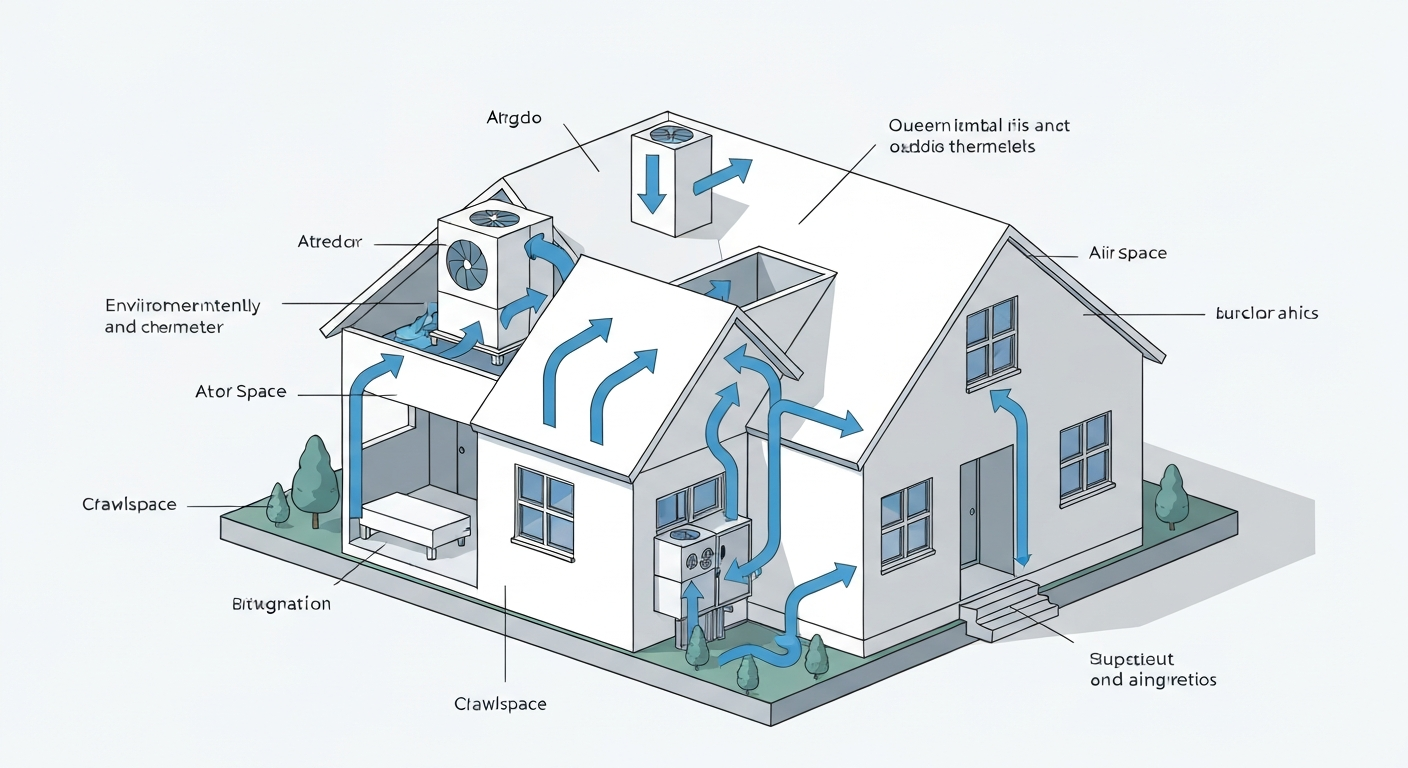
It's a common misconception that once you close your front door, you are completely isolated from the outdoor environment. In reality, homes are dynamic systems that constantly exchange air, moisture, and particles with the world outside.
Key Concept
"Outdoor mold pressure influences exposure. Indoor moisture determines amplification."
Outdoor Conditions Influence Indoor Conditions
Normal Entry
Outdoor mold spores are normal and exist naturally. They enter homes through open windows, on pets, clothing, and even through specialized HVAC ventilation pathways.
Indoor Amplification
While spores exist everywhere, they only become a problem when they find excess moisture. Indoor moisture determines whether those spores stay dormant or begin to amplify.
Environmental Pressure
Dense tree canopies, wooded lots, and proximity to water increase the "environmental pressure" on your home, making moisture management even more critical.
Today's Outdoor Environmental Conditions
"Outdoor environmental readings do not automatically indicate an indoor mold problem. Indoor moisture control, HVAC performance, ventilation, and humidity management remain the primary factors influencing indoor environmental conditions."
Outdoor Humidity
72%
Temp (Snellville)
78°F
Mold Activity
Moderate
Air Quality
Good
Data provided for educational purposes. Sources: Atlanta Allergy & Asthma, IQAir, and Local Environmental Sensors.
Outdoor Environmental Pressure Indicators
| Status | Indicator | Environmental Meaning |
|---|---|---|
| Low | Lower environmental moisture and spore activity. Ideal drying conditions. | |
| Moderate | Typical seasonal environmental conditions. Standard maintenance required. | |
| Elevated | Increased humidity and airborne environmental activity. Check HVAC performance. | |
| High | Heavy outdoor moisture and elevated mold/pollen conditions. Monitor crawlspaces. | |
| Severe | Persistent humidity and elevated environmental pressure. High risk of hidden condensation. |
Georgia Service Area Mold Pressure Grid
"The service-area grid below is an educational environmental estimate based on factors such as humidity, vegetation density, tree canopy, shaded areas, water proximity, and regional climate patterns. It is not a live laboratory mold count."
Hidden HVAC Moisture Problems
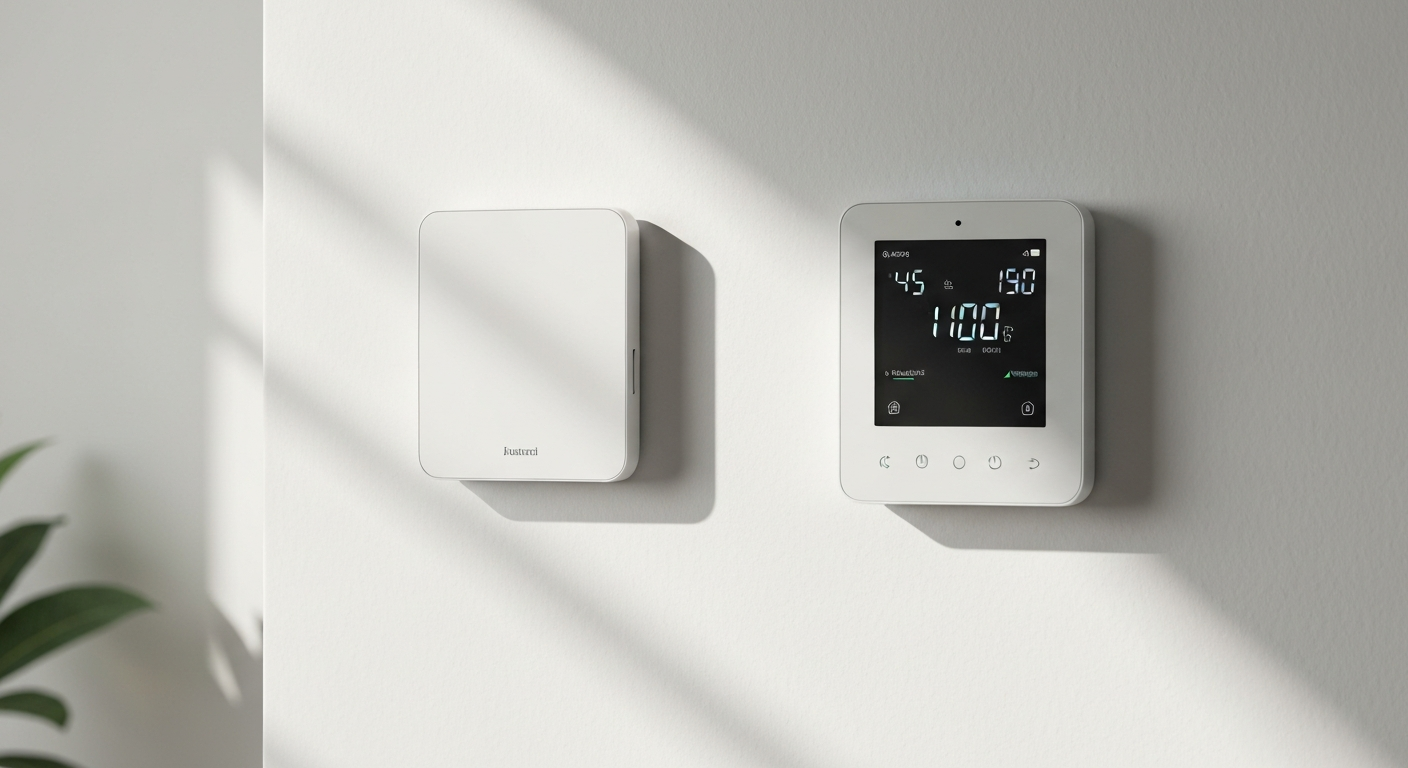
Many homeowners only think about roof leaks or broken pipes, but hidden HVAC moisture problems can create significant risks that go unnoticed for months.
Condensate Drain Line Clogs
Sludge or debris can block the primary line, causing water to back up into the system.
Secondary Drain Pan Issues
If the primary line fails, the secondary pan must be clear and have a functioning safety switch.
Evaporator Coil Condensation
Dirty coils or low airflow can cause excessive 'sweating' and standing water.
Duct Sweating
Improperly insulated ducts in unconditioned spaces like attics can develop condensation.
"Many homeowners do not know whether their HVAC system has a secondary drain pan, overflow shutoff protection, or a condensate line that has been cleaned recently."
Why a Dehumidifier Alone May Not Solve the Problem
"Many homeowners purchase a portable dehumidifier expecting it to solve the issue, only to find the home still feels damp, musty, or uncomfortable. That's because indoor moisture problems are often more complex than simply placing a unit in a room."
The Performance Gap
- Moisture load exceeds the unit's capacity
- Poor airflow prevents whole-room regulation
- Outdoor humidity infiltration is too high
- Pressure imbalances pull in damp air
The Crucial Distinction
"There is a difference between removing humidity from the air and solving the moisture problem."
The Home as an Environmental System
HVAC Cascade
Dirty HVAC filter
Reduced airflow
Moisture imbalance
Elevated humidity
Crawlspace Connection
Crawlspace humidity
Upward air movement
Indoor RH increase
Hidden mold risk
Outdoor Infiltration
Outdoor humidity
Structural air leaks
HVAC system strain
Comfort decline
Suggested Home Maintenance Timeline
| Item | Suggested Frequency | Why It Matters |
|---|---|---|
| HVAC filter replacement | Every 1–3 months | Helps airflow and filtration |
| HVAC service | Annually | Identifies drainage and performance issues |
| Condensate drain inspection | Annually | Reduces backup/overflow risk |
| Indoor humidity checks | Seasonally | Identifies elevated RH trends |
| Crawlspace inspection | Annually | Identifies hidden moisture sources |
| Attic inspection | Annually | Checks condensation and ventilation |
| Water testing | Periodically | Verifies invisible water quality |
| Radon testing | Per EPA guidance | Identifies invisible radon risk |
Frequently Asked Questions
Share Your Experience
Helped by our team? Your honest review helps Georgia families find safe, healthy homes.
Ready to create a healthier home environment?
Reach out to Micro Clean Restoration, LLC, and let us tailor a comprehensive solution to meet your specific needs. Do not wait until mold takes over your property.
Call Us 24/7
470-470-7025
Email Us
sales@microcleanrestoration.com
Visit Us
4002 Highway 78, Suite 530-221
Snellville, GA 30039